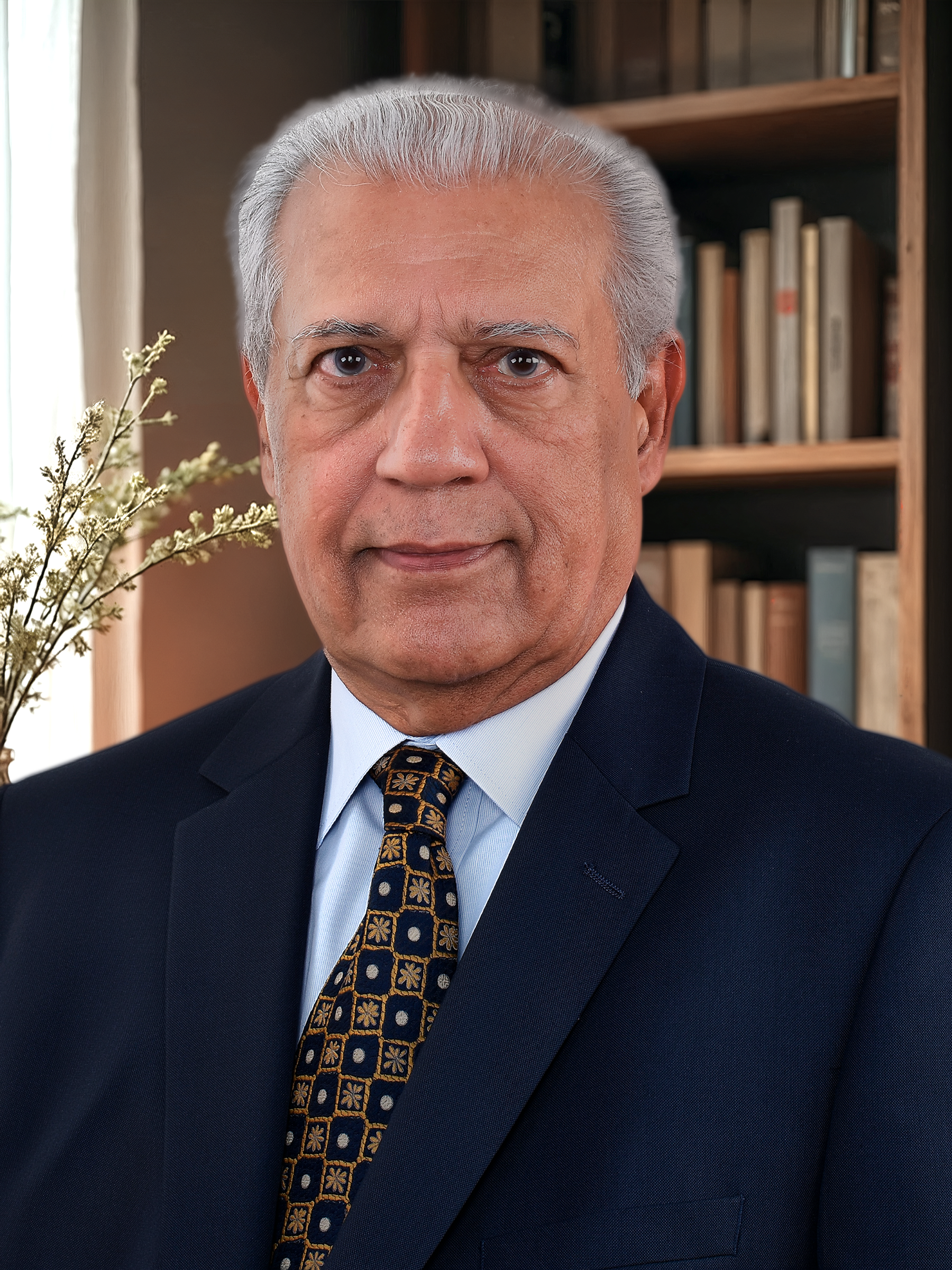
About Mohsin Hassan
My Story
I was born in 1952 and spent my infancy and early teenage years in Uganda until the age of fourteen, when I was sent to a public school in the United Kingdom. After completing my secondary education in the UK, the sudden arrival of Idi Amin on the world stage — and the turmoil that followed — meant that I, along with most of my family, remained in Britain throughout the troubled 1970s and 1980s.
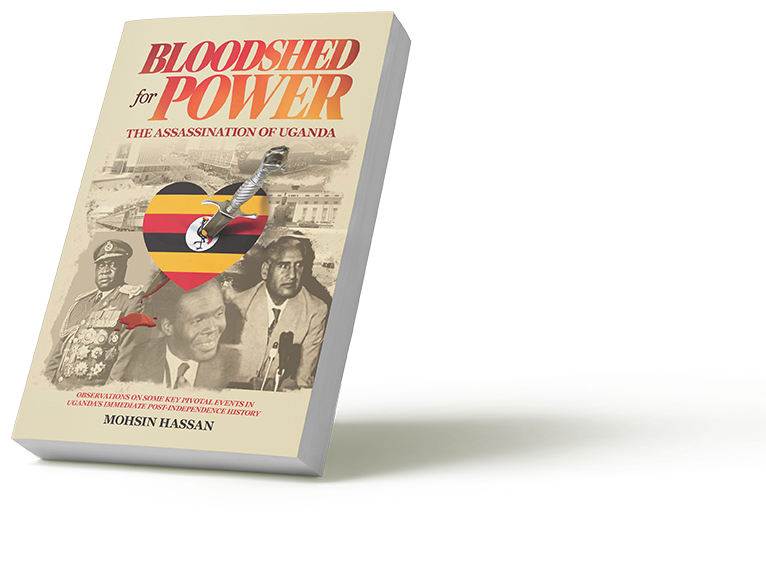
Shortly after Amin came to power, Uganda’s history was irrevocably altered following the Amin-authorised killing of a senior army officer. In the same brutal climate, my own life changed forever. My father, Mohamed Hassan, a senior and impartial Asian police officer, was violently murdered in a grim border-town prison in 1972. His death not only destroyed our family’s sense of security, but also silenced a man who had fearlessly investigated illegality at the highest levels in a newly independent African state.
Fifty years after the events that led to his death, I have finally committed his story to paper. Time has played a crucial role in allowing this book to be written. Many of the violent and lawless figures involved in these events have since passed away, and with them, the very real threats that telling this story earlier might have posed to me and my family. This distance has made it possible to document the truth more fully and more safely.
For students of East African history, this book also serves as a broader reference to Uganda’s political and social landscape before, during, and after the Amin era. It fills in gaps where information has lain dormant — and in some cases, deliberately buried — for more than half a century.
Today, I am a businessman with multiple interests in Uganda and elsewhere. I am married to my wife, Shaheen, and together we have three grown-up children.
This book marks my first foray into non-fiction writing. It has been shaped through rigorous factual research, archival material, and often difficult conversations with those who lived through — and survived — one of the darkest periods in Uganda’s history. The result, I hope, is an honest and compelling account that will resonate with readers in East Africa and far beyond.