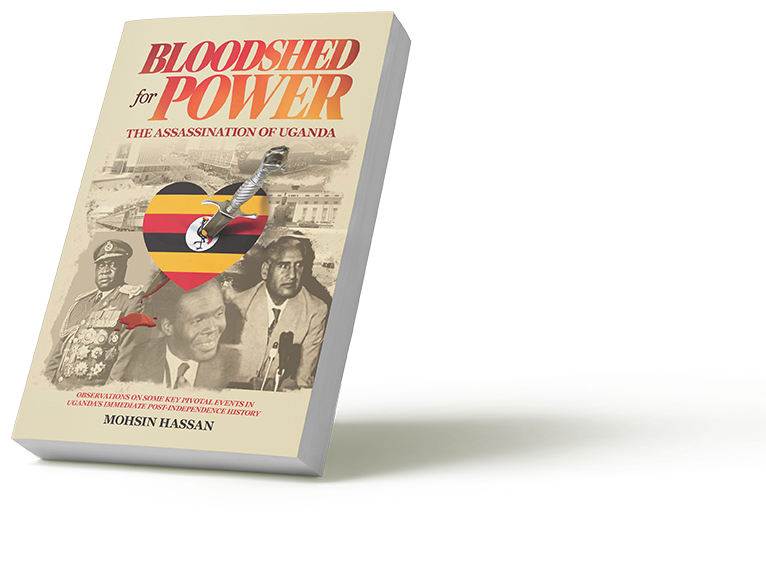
To understand the events described in Bloodshed for Power, it is necessary to step back and look at Uganda as it stood in the years immediately before the military coup of 1971. Without this context, what followed can appear sudden, even inexplicable. It was neither.
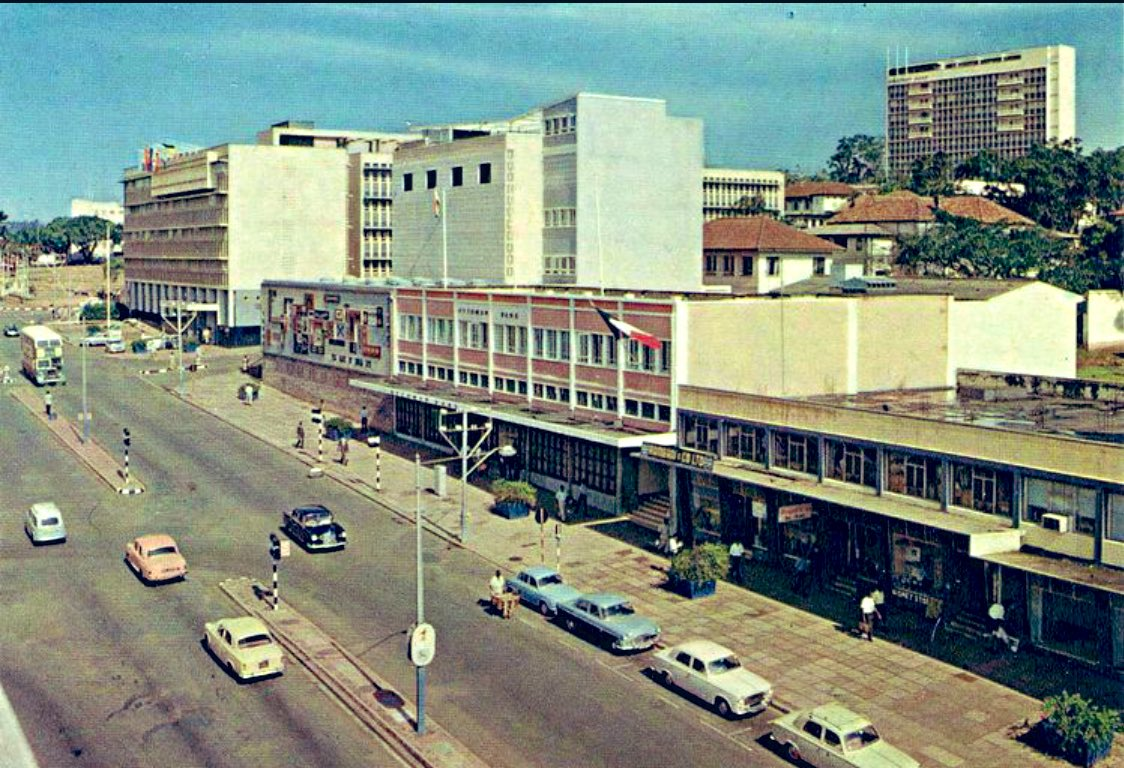
Uganda in the late 1960s was a young nation, less than a decade removed from independence. The optimism that had accompanied self-rule was already giving way to anxiety. Political authority was fragile, institutions were still forming, and the balance between civilian government and military power was becoming increasingly unstable.
This was a period defined not by a single crisis, but by accumulation — unresolved tensions, rivalries, and quiet shifts in power that would soon erupt into violence.
A State Still Finding Its Shape
Independence did not arrive with a ready-made system of governance. The police, the courts, the civil service, and the military were all undergoing rapid change, often without clear lines of accountability. Many systems inherited from the colonial period remained in place, but they were now operating within a vastly altered political reality.
Loyalty was increasingly personal rather than institutional. Political alliances were fluid. Decisions were shaped as much by ethnicity, patronage, and ambition as by law or policy.
In this environment, the idea of impartial enforcement of the law — particularly when it touched powerful figures — was becoming increasingly difficult to sustain.
The Growing Power of the Military
By the end of the 1960s, the military had emerged as a decisive force in Ugandan politics. Originally intended as a professional arm of the state, it was becoming a political actor in its own right.
Senior officers were no longer simply soldiers; they were power brokers. Rivalries within the army mirrored wider political struggles, and violence — or the threat of it — was increasingly used to settle disputes.
The line between criminality and politics was blurring. Murders were not always what they seemed. Investigations carried political consequences. Silence could be rewarded; honesty could be fatal.
The Role of the Police and the CID
In theory, the police — and particularly the Criminal Investigation Department — existed to impose order during this period of uncertainty. In practice, their position was precarious.
Investigators were expected to pursue the truth while navigating an environment in which that truth could destabilise the state or threaten powerful individuals. Files could disappear. Witnesses could recant. Pressure could be applied quietly and persistently.
Yet investigations continued. Serious crimes still demanded answers. And it was precisely this insistence on procedure and evidence that placed certain officers in danger.
Why This Context Matters
The events that followed the coup of 1971 are often remembered for their brutality. What is less frequently examined is the period that made such brutality possible.
Dictatorships do not emerge fully formed. They are preceded by moments when institutions weaken, when violence becomes normalised, and when those who uphold the law are isolated rather than protected.
Understanding Uganda on the eve of the coup is essential to understanding why certain individuals became targets, why crimes went unpunished, and why silence spread so quickly once power was seized.
Looking Ahead
In later posts, I will return to specific incidents, investigations, and decisions that took place during this period. Some are well known. Others have remained largely unexamined for decades.
But none of them can be understood without first recognising the fragile, volatile landscape in which they occurred.
History rarely turns on a single moment. More often, it shifts because warning signs were ignored — or because those who recognised them were prevented from speaking.