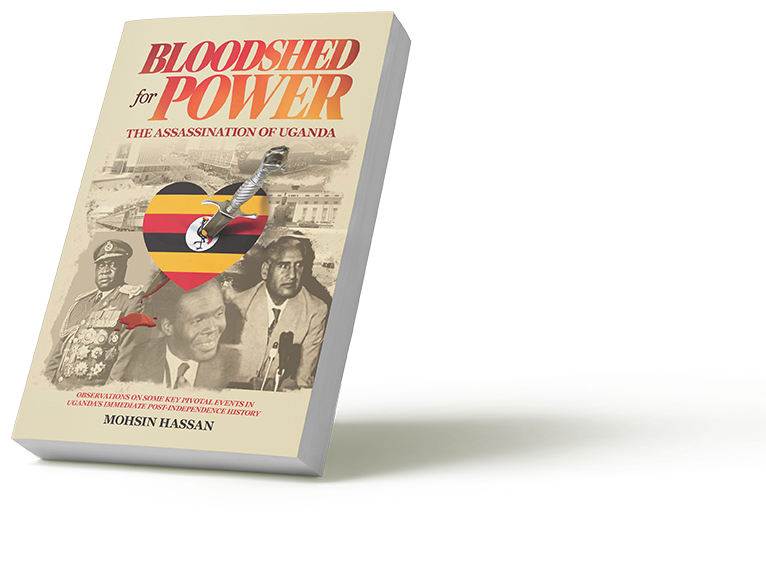
I was only ten years old on the night of 9th October 1962, but some memories remain as clear today as they were more than sixty years ago.
That evening, my parents took my brother, sister, and I to Kololo Airstrip in Kololo, Kampala, now known as the Kololo Independence Grounds, to witness Uganda’s independence from Great Britain. None of us could have known that we were about to witness one of the most important moments in our nation’s history.
The grounds were packed with people. Everywhere I looked there were crowds stretching into the distance. Men, women, and children had come together to celebrate the birth of a new nation. The atmosphere was festive and electric, filled with anticipation and excitement.
As a ten-year-old boy, however, I faced a practical problem: I could not see very much.
The crowd was so large that adults blocked my view of the main ceremony. At one point my father lifted me onto his shoulders so that I could see over the heads of the people in front of us. From that lofty perch, I was finally able to glimpse the great stage erected in the middle of the grounds.
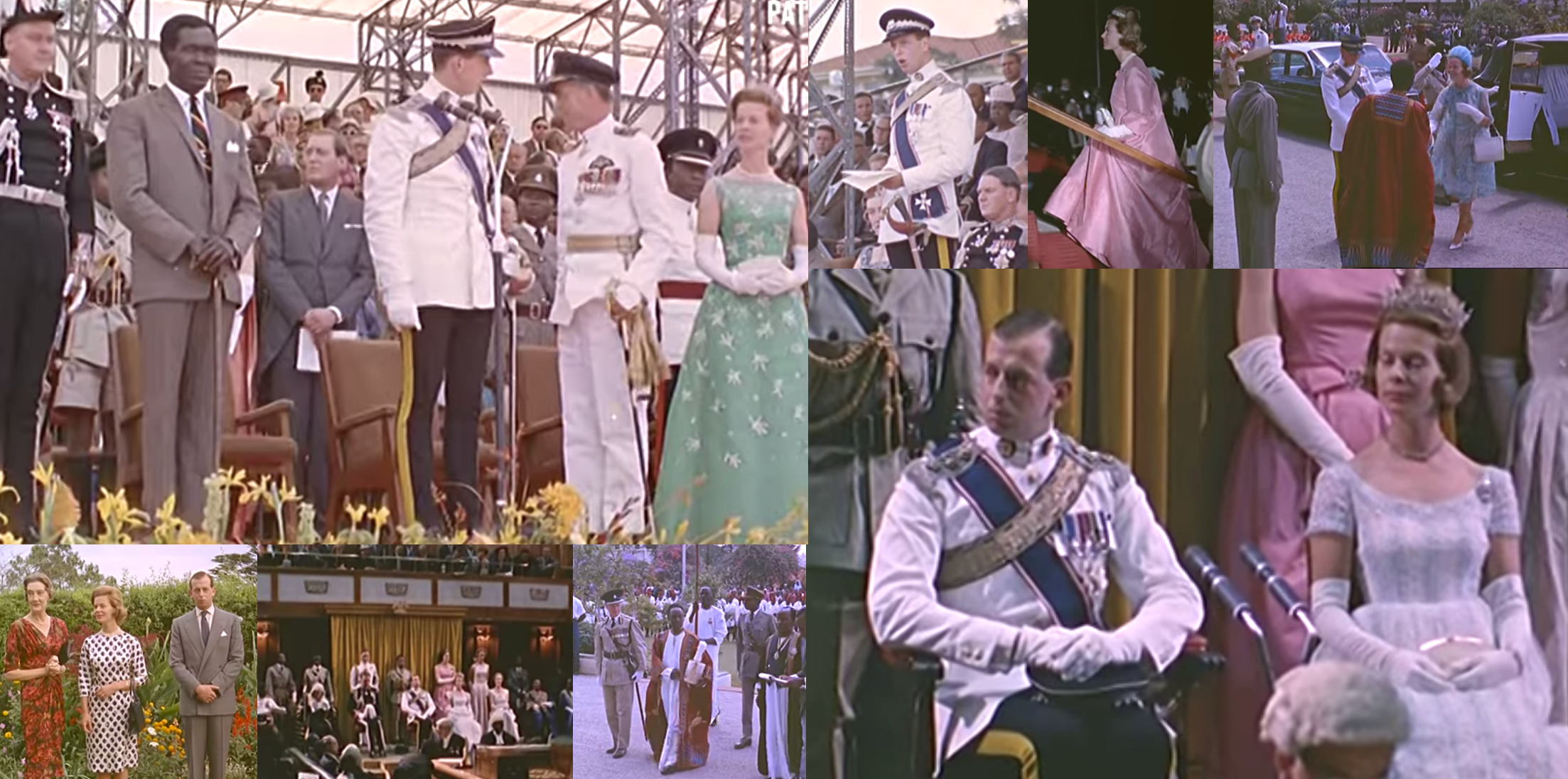
On the platform sat many distinguished guests and leaders. Among them were Prince Edward, the Duke of Kent, and Katharine, the Duchess of Kent, representing Queen Elizabeth II. Also present were Uganda’s leaders, including Prime Minister Milton Obote and Kabaka Mutesa II. Looking back now, I realise how extraordinary it was to have so many important figures gathered together at that historic moment.
Before the midnight ceremony, there were military parades and tattoos. I remember being fascinated by the marching soldiers, the music, the uniforms, and the ceremonial displays. The precision and spectacle captured my imagination far more than the formal proceedings.
There were also numerous speeches. As an adult, I appreciate their significance and the hopes they expressed for the future of an independent Uganda. But as a ten-year-old boy, I must confess that they seemed rather long and boring. Like many children, I was far more interested in the action than in listening to politicians speak.
I also remember religious prayers being offered during the ceremony. Their solemnity contrasted with the excitement of the crowd. They reminded everyone that this was not merely a political event but a moment of profound national significance.
As midnight approached, the tremendous noise that had filled the grounds gradually faded. The cheering, conversations, and excitement gave way to an almost complete silence. Thousands of people waited together for the arrival of the historic hour.
The final moments seemed endless.
Then came the event everyone had been waiting for.
The Union Jack was lowered, bringing British colonial rule to an end. Uganda’s new national flag was then raised into the night sky.
For a brief moment there was silence and then the crowd erupted into cacophonous uproar. The cheers, applause, and shouting were unlike anything I had ever heard. The noise was deafening. People embraced one another and celebrated with unrestrained joy. Even as a child, I understood that something remarkable had happened.
I may not have fully grasped the political meaning of independence at the time, but I could see the pride and happiness on the faces of the adults around me. Their emotions told me that this was a night that would be remembered for generations.
Today, when I think back to Uganda’s first moments as an independent nation, one image stands above all others: a small boy sitting on his father’s shoulders in a vast crowd at Kololo, watching history unfold beneath the African night sky.
The speeches have largely faded from memory. The names and titles of many dignitaries have blurred with time. But I still remember the excitement of the crowd, the military parades, the solemn prayers, the silence before midnight, and the thunderous celebration that followed the raising of Uganda’s flag. It was the night Uganda became a nation, and I was fortunate enough to be there.